

Imagine being an engineer and business owner, constantly navigating the challenge of trying to please everyone. A client requests a favor beyond the agreed scope. A partner advocates for a project that isn’t the right fit at the moment. A family member expects unwavering availability. And for some reason, the instinctive response is always to say “yes,” even when it’s clear it will disrupt priorities and derail progress.

The truth is, people-pleasing—that struggle to say “no” for fear of disappointing others—isn’t just a corporate issue. It permeates all areas of life. It goes beyond career. It shows up in how we deal with friends, with family, and with our own time. In the engineer’s case, this behavior has cost him sleepless nights, delayed personal goals, and compromised important deliveries. All because he was avoiding the discomfort of saying “no.”

Being available doesn’t mean being always accessible
I’ve learned through experience that being approachable doesn’t mean being available all the time. That being generous doesn’t mean constantly sacrificing myself. And that learning to say “no” respectfully is actually a way to care for others—and for myself.
I’m a husband, father, and friend. And one thing that’s become clear over time is that when I organize my schedule and say “no” with intention, I’m able to be more present. I prioritize being fully present and engaged, rather than just going through the motions. My focus is on making a real impact where I choose to invest my time and energy, rather than trying to satisfy everyone’s demands.
Professionally, the logic is the same. Every “yes” we give without thinking chips away at our energy, focus, and quality. And over time, that affects our image, our results, and our confidence.
Saying “No” requires clarity—and clarity comes from organization
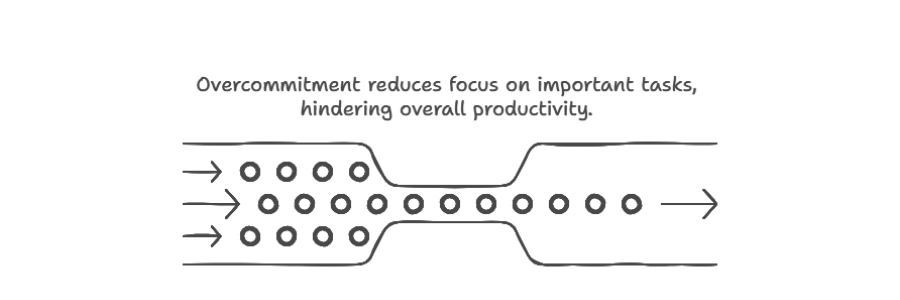
For a long time, I would respond to requests without even checking my calendar. Today, before accepting any new commitment—personal or professional—I take an honest look at my time. I know what’s a priority and what can wait. That gives me the confidence to decline invitations, postpone meetings, or renegotiate deadlines—without guilt.
If you don’t know where your time is going, you won’t know what you can say “no” to. And if you say “yes” to everything, you end up losing what truly matters.
How to know if you’re trying too hard to please
Some signs appear in subtle ways:
- You avoid speaking your mind to prevent friction.
- You feel guilty turning down a request, even with valid reasons.
- You agree to commitments you don’t want, just to maintain the image of being “available.”
- You feel like you’re constantly busy, but not really progressing.
- You’re always tired, yet unable to rest—because you’re afraid of letting someone down.

Strategies to set boundaries clearly (and without guilt)

Instead of responding on impulse, say: “Let me check my calendar and get back to you.” That simple pause helps avoid rushed decisions.

It’s not just “yes or no”—sometimes it’s “yes, but not right now,” or “I can do that if we postpone something else.” This shows maturity and responsibility.

You don’t need long justifications. A simple “I won’t be able to commit to that right now” is enough. Clear limits prevent future frustration.

Every time you say “no” to something that doesn’t add value, you´re saying “yes” to what really counts: time with your wife, your siblings, friends who uplift you. You´re saying “yes” to your health, your rest, and your long-term goals.

Not every “no” will be well received—and that’s okay. I’ve learned that telling the truth, respectfully, is far more valuable than feeding an illusion of constant availability. Those who respect you will understand. And those who don’t might not value your time as they should.
Conclusion: saying “No” is an act of care
Stopping the habit of pleasing everyone doesn’t mean becoming closed off. It means becoming more self-aware. More grounded. More consistent with what you want and what you can truly offer.
Your career, your time, your relationships—they all benefit when you live with intention, not just reaction. Saying “no” is often what gives you the space to say “yes” to what really matters.


