

A fun saying goes: “When you assume, you make an ass out of u and me.”
And if that’s true, then we’re all asses, because we all assume. We assume we’re thinking clearly, we assume we’re unbiased, and sometimes we even assume we’re free from political, social, and cognitive influences. But in reality, we’re constantly taking mental shortcuts to reach conclusions and act, without realizing it.
This isn’t just a layperson’s problem, it shows up in science too. Even in high‑quality research, scientists often produce results that favor sponsors or unknowingly introduce hidden biases during methodological decision‑making (choosing comparators, selecting doses, defining endpoints, designing experiments). These choices feel rational, but they can quietly steer results in a particular direction.
We assume, then conclude, and believe we’re being objective, all while biases are running the show.
Social biases are easier to spot because we can see how society shapes our assumptions. Political biases are also visible because ideology clearly influences how we interpret information. But the hardest bias to detect is the cognitive one.
Cognitive biases are systematic deviations in our thought processes that lead people, even scientists, to the wrong conclusions, even when they believe they’re reasoning objectively. They operate implicitly, feel like rational thinking, and often remain hidden from the very people being influenced by them.
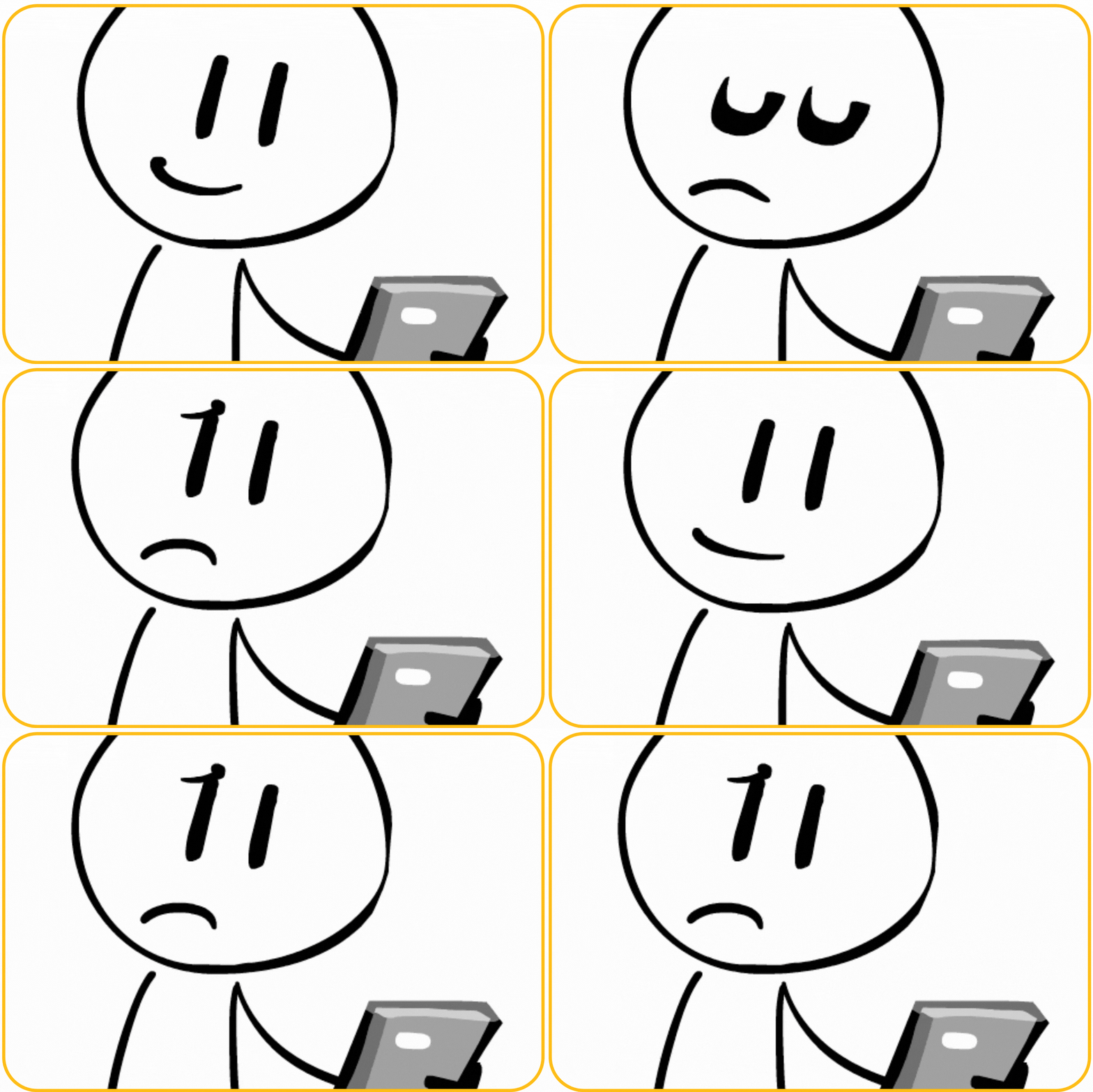
What an assumption really is
An assumption is a mental shortcut, a quick story your brain tells, like “they’re upset,” “this won’t work,” or “they’re being difficult.” Sometimes it’s accurate, but often it’s completely off‑track. It’s your brain’s fast guess about what something means, what someone intends, or what will happen next. It’s automatic, rapid, and usually invisible. And it’s not a fact.
Facts are data: what was said, what was done, what you saw, what you heard, what is objectively present. They do not include tone interpretation, intention guessing, emotional reading, mind‑reading, or predictions.
Like when a colleague doesn’t reply to an urgent message, that’s the fact. Assuming they’re ignoring you is the story your brain adds. And later you might discover the assumption was wrong: they were simply stuck in back‑to‑back meetings.
We assume when:
- we’re missing information but believe we have enough,
- our mind fills in the gaps automatically,
- and the story feels true because it fits our expectations.
Assumptions aren’t bad. They’re human, and they help us navigate complexity quickly. But they can also mislead us.
Why we all make ‘wrong assumptions’ (even the smart ones)
Humans are pattern‑seeking machines, wired through evolution to detect threat first. Our brains evolved to predict danger, interpret social cues, and make rapid decisions. That means:
- we guess before we know
- we judge before we verify
- we react before we reflect
No matter how much we try, we can’t stop our brains from relying on past experiences, especially the ones that hurt the most, like rejection, abandonment, humiliation, betrayal, and injustice. Because of that wiring, most assumptions that make us feel bad tend to be negative ones. Like assuming your boss is about to fire you just because they replied curtly or didn’t give you feedback right away. Or deciding someone is difficult to work with simply because they communicate differently than you do.
That doesn’t mean positive assumptions don’t go wrong. They do, and when they do, they usually leave us frustrated, disappointed, or feeling like the ground shifted under our feet. Who hasn’t been spun around by the revelation that someone doesn’t like you the way you thought, said something hurtful behind your back, or even took advantage of your trust.
Wrong negative assumptions come with a hidden cost: they keep you on guard, stuck in fight‑or‑flight mode. They trigger the threat system instantly and plug straight into old wounds, amplifying the pain and shifting your behavior right away.
Positive assumptions, when wrong, hurt differently. They activate disappointment, confusion, and even shame because the contradiction makes you feel like you’re not “reading” people or situations as well as you thought. They make you question your judgment rather than your safety.
You soften the blow of wrong assumptions, negative or positive, not by trying to stop yourself from making them, you can’t. You reduce their impact by recognizing that what you’re having is an assumption, not a fact. That moment of awareness is what keeps the story from becoming reality.
Reducing the impact of assumptions
If assumptions are the stories we tell ourselves about what’s happening around us, biases are the unconscious patterns we use to shape those stories. They’re the mental shortcuts behind our interpretations, like “they’re well‑dressed, so they must be competent,” “they speak confidently, so they must know what they’re talking about,” or “they’re late, so they must be lazy.” Biases supply the template; assumptions fill in the details.
We reduce the impact of mistaken assumptions by becoming more conscious of the patterns we’re using to tell our internal stories. The moment we recognize the bias behind an assumption, the assumption stops feeling like a fact and starts looking like what it really is: a possibility, not the truth.
Think about how many small rules, some explicitly taught, others silently absorbed, you’ve gathered about how the world works and how you should act in it. They come from your culture, upbringing, past experiences, social norms, emotional memory, and from everything you’ve been rewarded or punished for. These shortcuts helped you survive, interact, and even succeed in many situations. But you’d probably agree they don’t work everywhere, with everyone, or in every context.
That’s why it’s so valuable to notice which shortcuts you’re using when you make certain decisions, especially when you fall into wrong assumptions. Realizing the pattern behind your interpretation is what gives you the chance to adjust it.
5 of the mental shortcuts that shape your interpretation
With that in mind, given our automatic tendencies, whenever you feel yourself slipping into fight‑or‑flight or sense that you’re misreading a situation or a person, it’s an opportunity to pause and consciously ask what made you assume what you’re assuming. That’s the moment to look at the facts versus the inferences your mind is adding. Often, the reason behind the assumption is a bias, a mental shortcut shaping your interpretation. Here are five you can get acquainted with now:
- Confirmation bias: you notice what supports your belief and assume it must be true.
- Negativity bias: you notice what feels threatening first and assume the worst is happening.
- Halo effect: you notice one positive trait and assume it applies everywhere.
- Projection bias: you notice your own feelings and assume others feel the same way.
- Availability bias: you notice the most vivid or memorable example and assume it represents reality.
Becoming aware of these patterns reduces the impact of mistaken assumptions, because once you see the bias behind the story, the story stops feeling like a fact.
Adjust based on reality, not imagination
We all wish there were a manual for how to interpret situations and conduct ourselves in every context, but there isn’t. We have to learn as we go and actively seek the information we’re missing. Many times, all it takes is a candid conversation to understand what’s really happening.
Other times, we need to rely on our instincts to step away from situations, especially when something feels off and we sense that someone may be intentionally misleading us. In all cases, the thinking process can be improved, and its benefits can be seen in the near future.

