

Most people don’t struggle because they lack discipline or motivation — they struggle because they’re stuck in System 2, the slow, analytical part of the mind that overthinks every step. System 2 is essential for strategy and high‑stakes decisions, but when it tries to run your entire life, everything becomes heavy: planning becomes a project, simple tasks feel complicated, and uncertainty becomes paralyzing.
What actually gets you through daily life — especially during periods of change, pressure, or unpredictability — is System 1: fast, intuitive, pattern‑driven thinking. It’s the part of your mind that acts smoothly when you’re cooking a familiar recipe, navigating your neighborhood, or making small decisions without hesitation.
But System 1 only works when the environment is stable enough for patterns to form — and if you’ve been over‑analytical for a long time, your System 1 has absorbed System 2’s habits: over‑checking, over‑planning, over‑optimizing, hesitating, fearing mistakes, and trying to perfect everything. Over‑analytical people don’t lack intuition; their intuition has been trained to over‑analyze.
If you constantly switch tools, overload yourself with information, or treat every decision like a strategic operation, System 1 never gets the chance to learn anything new. You end up leaning on System 2 for everything — and that’s when over‑planning, over‑engineering, and mental fatigue take over.
Strengthening System 1 doesn’t mean letting it run your whole life.
It simply means giving it enough stability and repetition to handle the everyday, low‑stakes decisions that shouldn’t require deep analysis.
It’s not about “trying harder.”
It’s about changing the conditions your brain operates in so intuition can finally do its job — while System 2 stays available for strategy, reflection, and the decisions that truly need it.
Here are 8 ways to stop over‑planning and strengthen your fast, intuitive, pattern‑driven thinking.
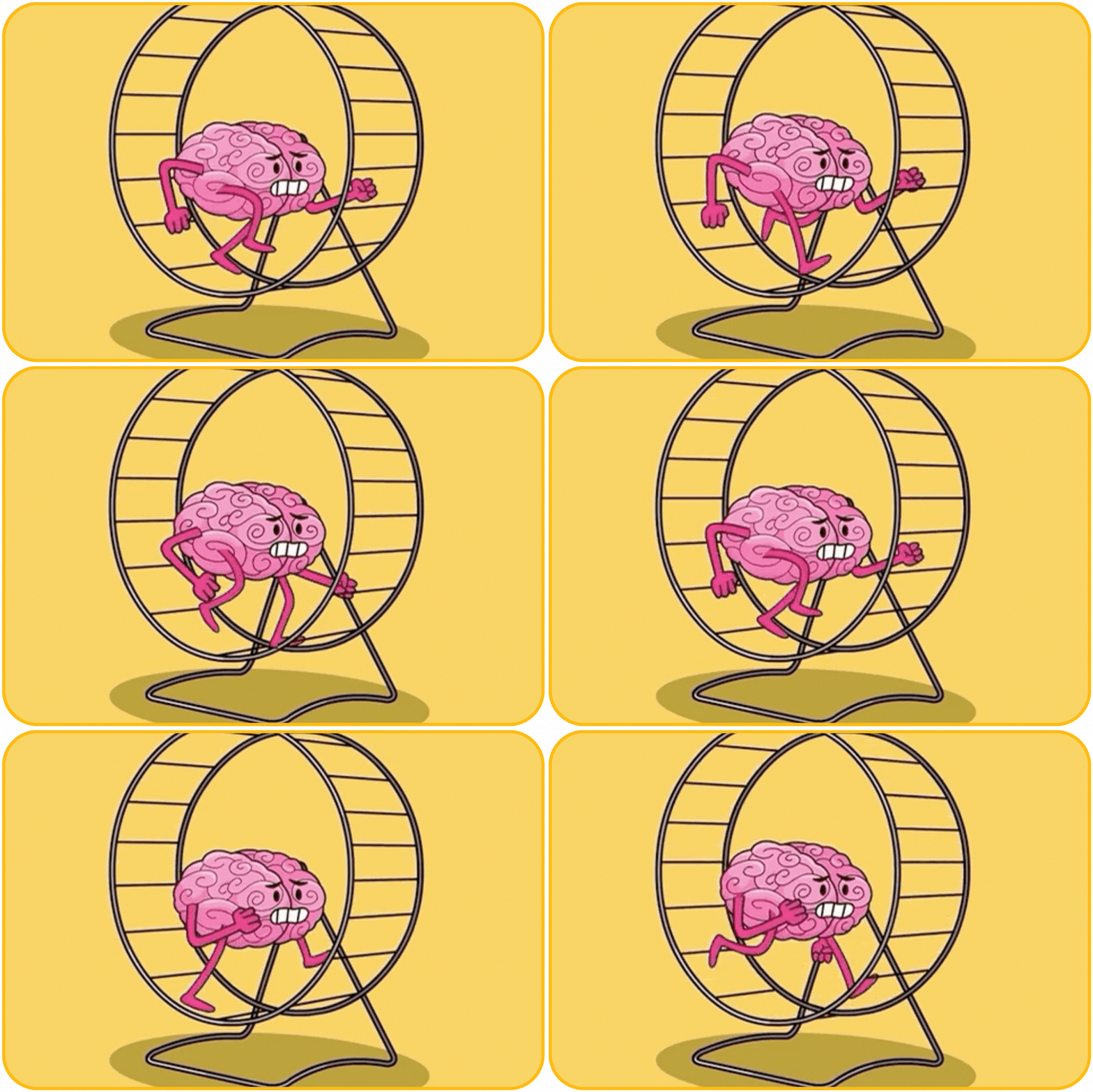
1. Create stability so patterns can form
System 1 learns through repetition. When you constantly switch tools, routines, or methods, you force every task back into System 2 — and that’s exactly how over‑engineering begins.
Stop trying to reinvent fire, especially with things you’ve already mastered. If pen and paper have worked for you for years, abandoning them for a new app doesn’t make you more productive. It often stalls learning and blocks adaptation, whether you’re budgeting for a new income or cooking dinner every day.
When life changes, you don’t need to overhaul every system.
The brain learns best through familiarity, not reinvention.
Choose one workflow. Stick to it. Reduce novelty.
Stability creates patterns — and patterns are what allow System 1 to take over.
2. Reduce information
System 1 only works when the environment is simple enough for patterns to emerge. If you overload yourself with inputs, System 2 will immediately take over to analyze everything.
Define exactly what you need to accomplish and keep only the materials required for that task.
If you’re researching, set a scope and a time limit.
If you’re budgeting, gather only the numbers you need.
If you’re cooking, keep only the ingredients for that meal in front of you.
System 1 cannot operate in noise.
Cut inputs. Turn off notifications. Simplify your digital space.
The less noise you allow in, the more room intuition has to guide you.

3. Make small, fast decisions
System 1 grows through action, not analysis. If you stop at every corner to contemplate the perfect method or the “best system,” you’ll end up overwhelmed and unprepared.
The time you spend figuring out the best way to count something is often the same time it takes to just count it.
Choose quickly on low‑stakes tasks. Use “good enough.” Build momentum.
During uncertainty, the best available option — satisficing — is not just acceptable, it’s optimal.
4. Allow mistakes so heuristics can form
System 1 learns through feedback, not perfection. When you follow a recipe, instruction, or budgeting rule, you’ll quickly discover the ways it can go wrong. That’s not failure — that’s how learning works.
Errors are data. They show you what to adjust.
They shape the shortcut your brain will use next time.
Heuristics — the simple rules System 1 uses to make fast decisions — emerge through small mistakes, quick corrections, and repeated exposure.
Note what happened. Tweak one thing. Try again.
That’s how intuition is built.
5. Use repetition to transfer tasks from System 2 to System 1
Anything repeated becomes automatic — but not all repetition is equal. System 1 learns from stable, predictable repetition, not chaotic routines.
Repetition is the bridge between deliberate effort and intuitive action.
The repetition that trains System 1 looks like this:
- Same tools: one notebook, one app, one calendar.
- Same sequence: consistent morning routines, budgeting steps, cooking order.
- Same decision rules: your heuristics.
- Same environment: same desk, same workflow, same triggers.
- Simple routines: complexity collapses under pressure; simplicity survives.
Repeat the same structure until it becomes effortless.
That’s how tasks migrate from System 2 to System 1.

6. Build simple heuristics and use them consistently
Heuristics are compressed experience — simple rules that reduce cognitive load and prevent over‑analysis. They only work when they’re simple, repeatable, and used consistently.
Good heuristics are:
- short
- obvious
- repeatable
- forgiving
Examples:
- If it takes less than two minutes, do it.
- If unsure, choose the simplest option.
- If overwhelmed, remove one thing.
- If stuck, take the smallest step.
- If choosing between two good options, pick the first.
- If the task feels too big, break it in half.
Apply them consistently until they become automatic.
Once they do, System 1 handles everyday decisions effortlessly.

7. Match your systems to your real environment
System 1 needs ecological fit — routines that match the actual conditions of your life, not the idealized version you imagine on a perfect day.
Most people over‑engineer because they design systems for fantasy scenarios:
- unlimited time
- zero interruptions
- perfect motivation
- flawless consistency
But real life is messy.
System 1 thrives in messy, predictable environments — not optimized ones.
Design routines that survive bad days.
Use tools that work under pressure.
Build workflows that tolerate interruptions.
Choose structures that match your actual lifestyle.
System 1 needs stability, not perfection.
When your systems fit your reality, intuition can finally take over.
8. Give System 2 a smaller territory
System 2 is powerful but limited. It’s slow, effortful, and easily fatigued. When it tries to run your entire life, you end up overwhelmed and stuck.
System 2 should handle:
- strategy
- long‑term planning
- reflection
- high‑stakes decisions
- unfamiliar situations
Everything else belongs to System 1.
Shrink System 2’s territory:
- Stop analyzing daily tasks.
- Stop building structures for everything.
- Stop treating every decision as a strategic operation.
- Let intuition run the day‑to‑day.
When System 2 stops micromanaging, mental fatigue drops, clarity increases, and uncertainty becomes easier to navigate — because your intuitive system finally has room to operate.

