

You know the feeling. It’s 3 p.m., your focus is shot, and even deciding what kind of tea to drink feels like solving a calculus problem. That’s decision fatigue at work.
It’s the gradual loss of willpower after countless big and small choices. Left unchecked, it can lead to impulsive decisions, defaulting to bad habits, (hello, third cookie), procrastination, or simply taking the easiest path. But here’s a tool you may not have considered: energy matching.
What is energy matching?

Energy matching involves syncing the type of task with your energy level.
Everyone has natural rhythms. Some are “morning people,” while others are “night owls.” However, it’s more complicated than that. Our daily energy levels are heavily influenced by what we consume. Sugar and processed carbohydrates can cause rapid spikes in blood sugar, followed by sharp crashes that leave us feeling foggy and irritable. Likewise, caffeine, alcohol, and artificial additives act like chemical switches in our system—sometimes increasing alertness, other times reducing focus or disrupting sleep. This results in peaks and valleys unique to each person. You can use this to your advantage by observing when your energy is higher and lower during the day.
How to Create Your Personal Energy Map: A 4-Step Guide
The first step is to stop guessing and start gathering data. I actually tracked this on my phone for a while. I set a repeating alarm for every hour. When the alarm went off, I noted how energized I felt. This simple exercise was a game-changer.
You can do it too. Here’s how:
Step 1: Track your energy
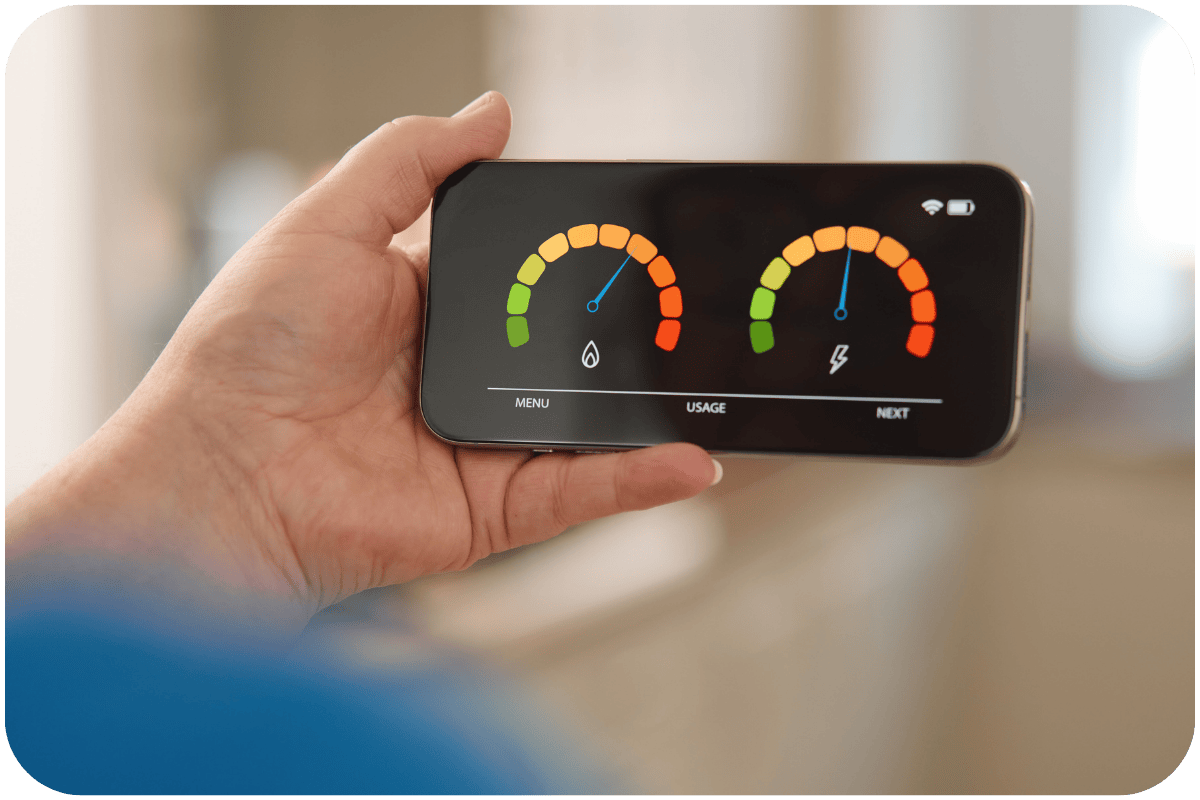
For the next 5-7 days, set a reminder every 60-90 minutes. When it goes off, rate your mental energy on a simple scale of 1 to 10.
- 1-3 (Low Energy): You feel drained, distracted, or sluggish. Deep thinking is off the table.
- 4-7 (Medium Energy): You’re functional and can handle routine tasks, but you lack that sharp, creative spark.
- 8-10 (High Energy): You feel focused, clear, and motivated. This is your peak performance state.
Use a notebook, a spreadsheet, or notes app on your phone.
Step 2: Identify the influencers

Next to your energy rating, add a quick note about what you’ve just done. Did you just finish a big meal? Drink a coffee? Go for a walk? Finish a stressful meeting? This context helps you connect cause and effect.
Step 3: Categorize your tasks

Now, audit your work. List out all your typical tasks and categorize them by the type of energy they require.
- High-Energy Tasks (Deep Work): These require intense focus, creativity, and critical thinking.
- Examples: Writing a strategic plan (deeper thinking, problem-solving, strategy), coding a complex feature, analyzing financial data, creative brainstorming, learning a new skill.
- Medium-Energy Tasks (Structured Work): These require moderate focus but follow a known process. They need your attention, but not your full creative power.
- Examples: Attending most meetings, planning, moderate focus tasks, answering detailed emails, editing a document, following up with clients.
- Low-Energy Tasks (Shallow Work): These are routine, administrative tasks that you can perform almost on autopilot.
- Examples: Deleting spam, organizing files, booking appointments, processing expense reports, responding to simple, non-urgent emails (admin, emails, routine checklists).
Step 4: Align and execute
Once I identified my daily patterns, I adjusted my work to align with my biorhythms. You can now proactively schedule your day.
Block out your 1-2 daily high-energy windows for your most important deep work. Fill your medium-energy periods with meetings and planning. Save the low-energy troughs for clearing out your inbox and handling admin.
Your Schedule: Before vs. After Energy Matching

When you deliberately match the decision-making demands of your work to your current energy level, you sidestep the wasteful tug-of-war that drains your willpower and leads to impulsive choices.
Why this works: The Science of Cognitive Friction

Decision fatigue isn’t just about the number of choices. It’s also about friction. When you try to analyze financial projections at 10 p.m. after a 12-hour day, you’re probably fighting your body and brain’s natural state. That mismatch creates cognitive drag, leading to indecision or poor choices.
By energy matching and focus assessment, you reduce unnecessary friction. You don’t ask your tired brain to solve tough problems. Instead, give it easier admin work. Save your sharper mental states for hard stuff.
Energy matching fights decision fatigue by turning your natural energy rhythms into an ally, ensuring you spend willpower where it matters most instead of wasting it in the wrong moments. Start tracking your energy today—it’s the first step toward a more focused, productive, and less exhausting workday.
The Next Level: Finding Your Focus Rhythm
Focus and energy levels are deeply intertwined because mental concentration requires metabolic energy, just like physical activity.
Understanding your energy levels is half the battle. The other half is understanding your focus duration. Something to keep in mind is how much time you are able to remain focused on a single activity.
Our bodies operate on internal clocks beyond the 24-hour sleep/wake cycle. Sleep researcher Nathaniel Kleitman, for example, proposed that during our waking hours, we operate in cycles of roughly 90 minutes of focus before our brain needs a rest. He called this the Basic Rest-Activity Cycle (BRAC). While there isn’t a scientific consensus on the exact time, the principle is clear: our focus is finite and requires periodic breaks to recharge.

This is where popular productivity methods come in, and they aren’t one-size-fits-all:
- The Pomodoro Technique: Suggests you work in short, 25-minute sprints with 5-minute breaks. This is excellent for laser-focus on tasks like studying or clearing a specific list of to-dos.
- Deep Work Blocks: Others suggest blocking out longer periods of 60-90 minutes for deep, uninterrupted work like writing or strategic thinking, followed by a more substantial 15-20 minute break.
The goal of energy matching is to help you become more aware of your individual variations without falling into the trap of a one-size-fits-all method.
Use your new self-awareness to experiment. Test shorter to longer time blocks within your high-energy periods to see what works for you. Maybe you can write for 75 minutes straight in the morning but can only handle 30-minute blocks in the afternoon. That’s your personal rhythm!

A word of caution: Remember that break time and rest time are not equal to mental stimuli. Scrolling through social media or watching short videos during a break isn’t true rest. It’s low-quality stimulation that still consumes cognitive resources. True rest is about letting your brain wander, stretch, or disconnect, go for a short walk, stare out a window, or listen to music without lyrics.
Your Ally Against Burnout
Energy matching turns your body’s natural rhythms from an obstacle into an ally. It ensures you spend your finite reserve of willpower where it matters most, instead of wasting it trying to push a boulder uphill.
Start tracking your energy and your focus duration today. It’s the first step toward a more effective, sustainable, and less exhausting workday.

