

Many of us have been there: stuck in a project, job, or relationship that no longer makes sense. Yet, we push forward irrationally because we’ve already invested time, money, or effort—and quitting feels like losing. This is the sunk cost fallacy, one of the most powerful mental models shaping human decision-making.
What Is the Sunk Cost Fallacy?
The sunk cost fallacy is our tendency to keep investing in something simply because we’ve already put resources into it, even when the future looks bleak. A 2019 study, “Persistent Sunk Cost Fallacy in a Real Effort Experiment” by Banerjee, Chandrasekhar & Srikant, found 40–60% of participants persisted irrationally after investing effort, showing how deep this mental trap runs. This looks like staying too long in draining jobs, broken relationships, or pouring money into doomed projects—not because they’re wise choices, but because quitting feels like admitting failure.

Why Sunk Costs Mislead Us
The key mistake is focusing on what’s gone—the sunk costs that can’t be recovered. Smart decisions focus on what delivers the best future value, not on past losses. But our brains tie identity, ego, and responsibility to those sunk costs, doubling resistance to quitting and blinding us to better paths.
Key Mental Models to Escape the Trap
Breaking free requires a meta-decision: not just what to do, but how to see the decision. These three mental models offer clearer lenses:
- Sunk Cost Awareness: Acknowledge that past investments are irretrievable. Letting go offers sharp clarity and frees mental space—though when used alone, it can feel cold or detached. Balancing this awareness with empathy helps make wiser, kinder decisions.
- Opportunity Cost Perspective: Every choice demands trade-offs. Ask yourself, “What am I giving up?” This exposes hidden losses and highlights better alternatives.
- Reversibility Test: Many decisions can be paused, slowed, or reversed. Asking, “Can I change course?” lowers fear and reveals options.
Together, these models cultivate clarity, perspective, and courage—the antidotes to stubbornness.
Real-Life Lessons and Ancient Wisdom on Decision Reversibility

The Mahabharata, one of the longest epic poems and a cornerstone of Hindu tradition, offers a timeless warning about sunk cost traps when decisions are irreversible. Yudhishthira, the rightful heir, was caught in a rigged dice game. Despite repeated losses, he kept doubling down—first his wealth, then his kingdom, brothers, and even his wife. His choices were final; trapped by ego and identity tied to past efforts, he spiraled into disaster. This story illuminates how doubling down on irreversible losses can escalate into catastrophe. (Learn more about the Mahabharata here: Mahabharata – Britannica)
In contrast, Jeff Bezos’s mental model of “One-Way Doors” versus “Two-Way Doors” underscores the power of reversibility.
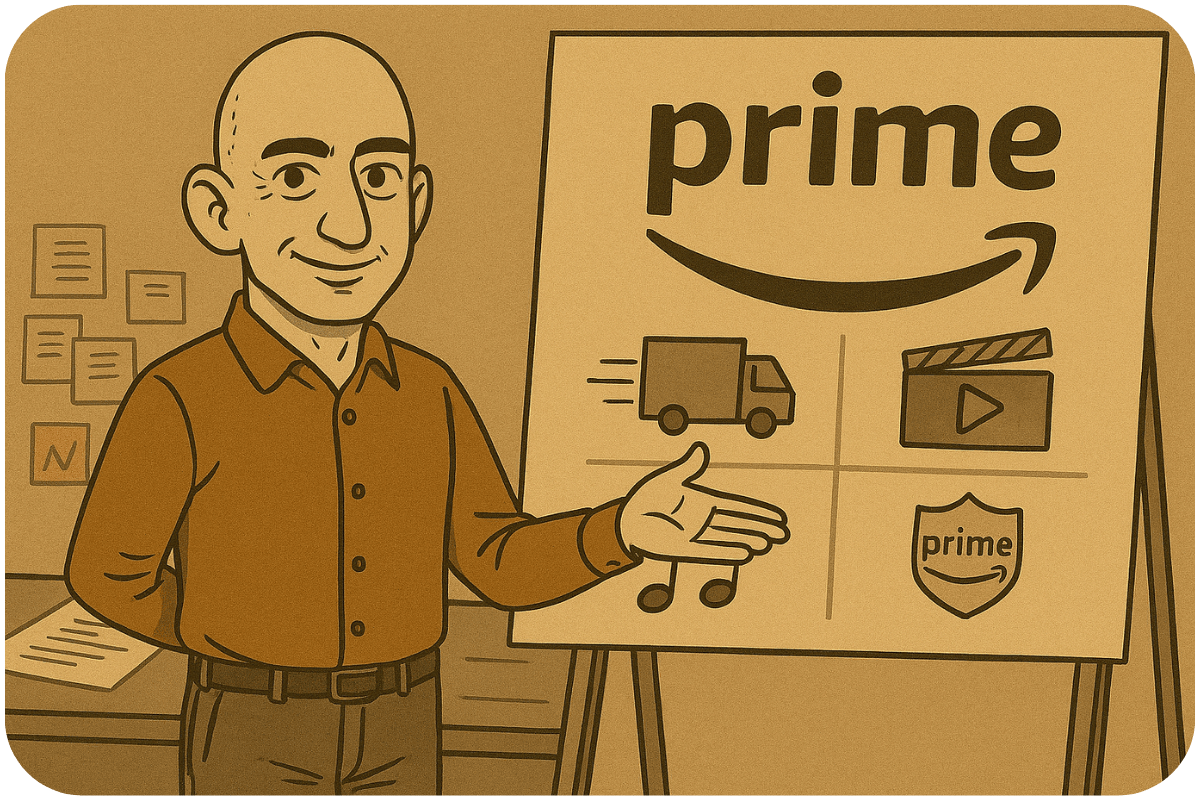
One-Way Doors are decisions that can’t be undone—like selling a company or demolishing a building—requiring caution.
Two-Way Doors are reversible or adjustable decisions, such as launching Amazon Prime. Bezos explains that many choices wrongly seen as irreversible are reversible; embracing this mindset fuels innovation by reducing fear of failure. If Amazon Prime had failed, they could have pivoted, absorbing sunk costs and moving on without catastrophe. (More on Bezos’s concept: Bezos’s One-Way and Two-Way Doors)
The difference between Yudhishthira’s fate and Bezos’s approach is that Yudhishthira was locked into a high-stakes, irreversible game, while Bezos designs exits into choices—allowing agility, learning, and course corrections.
Reflect on your own decisions:
Are you facing a One-Way Door, or could your next move be made reversible? Designing flexibility into commitments can break sunk cost traps, turning fear into freedom and opening new paths for growth.

Moving Forward: How to Practice Smarter Decisions
- Remind yourself: What’s lost is gone; focus on future potential.
- Assess choices regularly through the three mental model lenses: awareness, opportunity cost, reversibility.
- Before committing deeply, design exits to avoid trap closures.
- Ask, “Which option offers the greatest future freedom?”
- Recognize biases like status quo bias and loss aversion that amplify fear of change.
Try This
Think back to the last time you pushed through a project or commitment just because it was started. Did it bring satisfaction, or was it a time sink? Share your story—was it a wise decision or a sunk cost trap in disguise?
Breaking free isn’t shirking responsibility. It’s reclaiming your power to choose what truly serves your future.

