


We’ve all been there—stuck in a meeting that drags on with no clear purpose, leaving us wondering why it wasn’t just handled in an email. It’s a familiar pitfall that serves as the perfect reminder of Parkinson’s Law, which states that “work expands to fill the time available for its completion.” This principle, coined by British author and historian Cyril Northcote Parkinson, highlights how inefficiency thrives when we don’t impose clear boundaries on time and priorities.
Meetings that lack urgency or structure tend to stretch, consuming valuable hours while delivering minimal results. Parkinson’s insight warns us that without intentional limits, tasks—like meetings—will occupy as much time as we give them. Whether it’s an hour-long catch-up that could’ve been a three-line update or a recurring sync that breeds more confusion than clarity, the misuse of time is a silent productivity killer.

One of the most vivid real-life examples of Parkinson’s Law comes straight from C. Northcote Parkinson’s original essay. He describes an elderly woman who spends an entire day writing and sending a postcard—a task that would take a busy person just a few minutes. Here’s how her day unfolds:
- 1 hour searching for the postcard 1 hour looking for her glasses
- 30 minutes finding the address
- 1 hour and 15 minutes composing the message
- 20 minutes deciding whether to take an umbrella to the mailbox
All in all, a simple task stretches into a full day of effort, anxiety, and decision-making. Parkinson used this example to humorously illustrate how tasks expand to fill the time available, especially when there’s no urgency or competing priorities.
Brief perspective on Parkinson’s Law

Historically, Parkinson’s Law emerged in the context of post-World War II British bureaucracy, where Parkinson noticed that administrative departments grew in size and complexity even as their actual workload declined. His analysis went beyond mere time management to tackle the dynamics of power, prestige, and dysfunction in hierarchical systems. He highlighted how officials create unnecessary subordinates to reinforce their own importance, and how committees become less effective as they grow—spending excessive time on trivial matters instead of prioritizing essential decisions.
In today’s professional landscape, Parkinson’s Law continues to carry weight. In corporate settings, bloated timelines often lead to overthinking, procrastination, and diluted focus. Within project management and personal productivity, it cautions us against lax deadlines and inefficient use of time. Techniques like timeboxing, Pomodoro sessions, and goal-setting frameworks help counteract this tendency, empowering individuals and teams to stay lean, decisive, and results-oriented. Embracing Parkinson’s insights can lead to smarter workflows—and fewer meetings that should’ve been emails.
🎥 Click here to watch Parkinson’s interview featured by the BBC Archive.
How to counter it
To counter the time-wasting tendencies of Parkinson’s Law, we need to take control of our schedules rather than letting them control us. By creating structure and urgency around tasks, we can sharpen focus and cut through distractions.
Start by
1. Setting self-imposed deadlines

To create a sense of urgency that keeps procrastination at bay, trick your brain by assigning shorter time limits—even if none are required. It creates urgency and sharpens focus.
Combine that with the
2. Pomodoro Technique

Breaking your work into 25-minute bursts followed by short breaks, to stay mentally fresh. This strategy keeps your focus tight by working in 25-minute sprints, followed by quick 5-minute breaks—cycling through bursts of deep work to stay energized, avoid burnout, and sustain high performance throughout your day.
3. Time blocking
Helps anchor your day
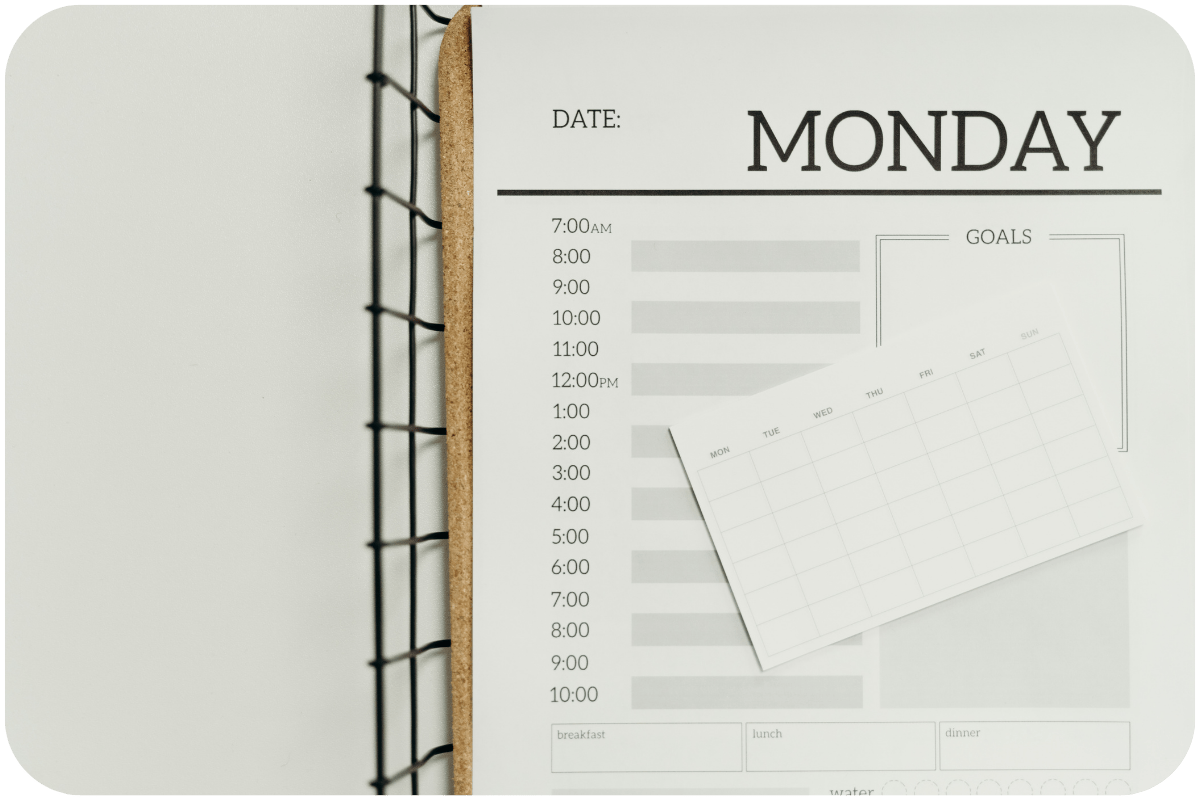
Divide your day into defined chunks for specific tasks. This helps reduce multitasking and makes your schedule more intentional.
While the
4. Eisenhower Matrix
Ensures you’re prioritizing what truly matters.
Categorize tasks as:
- Urgent & Important
- Important but Not Urgent
- Urgent but Not Important
- Neither Urgent nor Important
Focus on what truly matters.
And don’t forget to
5. Track your time

Seeing exactly where your hours go is a powerful wake-up call and a key to reclaiming productivity. Use apps like Toggl, RescueTime, or a simple spreadsheet to log where your time actually goes. Insights = clarity = control.
Parkinson’s Law reminds us that the less time we give a task, the faster we finish it. So professionals can cut the fluff, set bold deadlines, and make tools like email work for them—not the other way around. A well-crafted message in your inbox could save an entire afternoon. So next time you’re tempted to schedule that meeting, ask yourself: could this be an email instead?

